
Eco Materials Guide — Australia
A practical handbook for designers and homeowners choosing low-impact materials for interiors across Australia.
Overview
Choosing eco-friendly materials reduces embodied carbon, improves indoor air quality, and supports local industries. This guide focuses on options suited to Australian climates and supply chains: timber, recycled content, low-VOC finishes, natural fibres and responsibly sourced stone.


Why choose eco materials?
- Lower lifecycle emissions and less landfill waste.
- Health: reduced VOCs and allergens for better indoor air quality.
- Durability and long-term value when selected correctly.
- Support for Australian circular economy and local suppliers.
Tip: prioritise material longevity and repairability over purely recycled claims.
Materials comparison
At-a-glance table
| Material | Embodied Carbon | Indoor Air | Recyclability |
|---|---|---|---|
| FSC Timber | Low | Excellent | High |
| Recycled Steel | Medium | Good | High |
| Cork | Low | Excellent | Moderate |
| Low-VOC Paints | Low | Very Good | Varies |
| Engineered Stone | High | Good | Low |
Notes: Ratings are general — always check specific product EPDs and test reports.
Material spotlight
Case studies
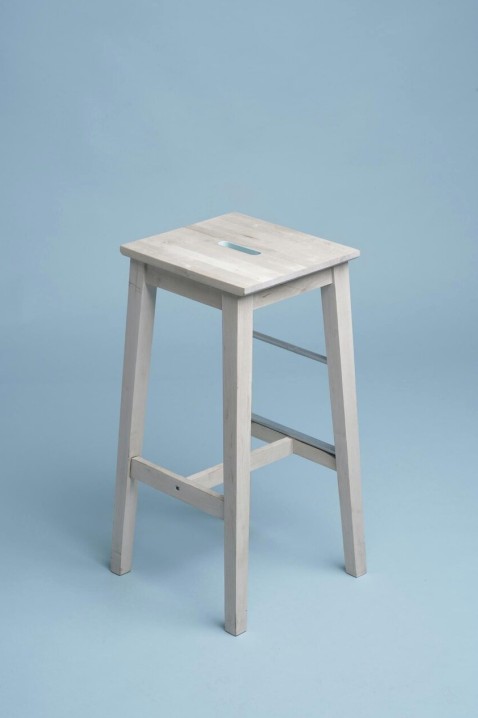
Sydney terrace renovation — replaced laminate with FSC-certified timber cabinetry and low-VOC paints, improving air quality and resale appeal.

Local suppliers & certifications
Look for Australian suppliers offering Environmental Product Declarations (EPDs), FSC, PEFC or other recognised chains of custody. Buying local reduces transport emissions.

- FSC / PEFC certified timbers
- Products with EPD and ingredient transparency
- Local remanufacturers and reclaim yards
FAQ
Further reading & resources
Ready to go green with your next project?
We help homeowners and designers choose materials that balance performance, beauty and environmental responsibility.
Request a quote